
Pure Alpaca Is Pure Performance:
The Problem with Nylon Blends
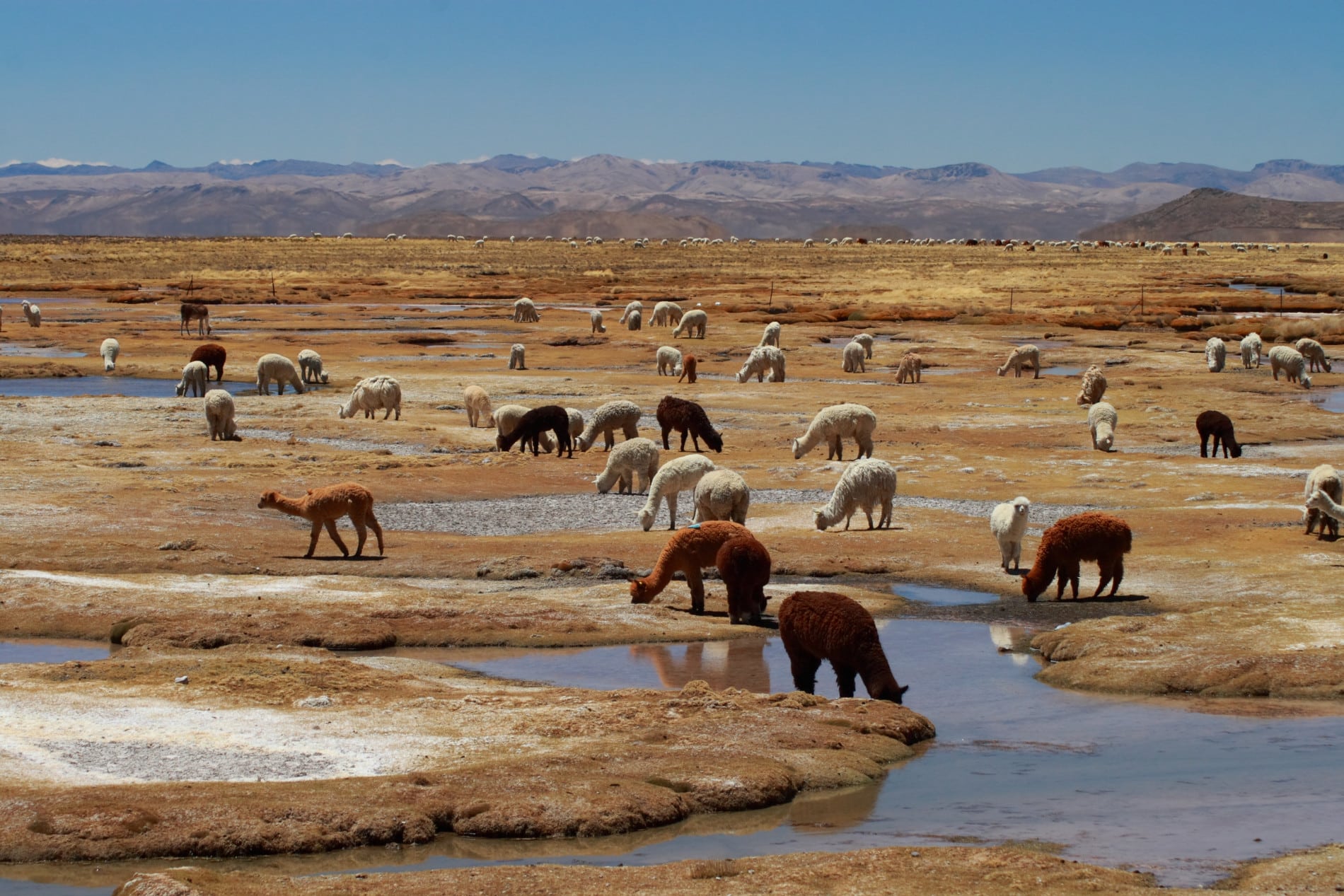
In the world of performance textiles, few natural fibers command the respect that alpaca does. For thousands of years, Andean cultures relied on alpaca fleece to survive harsh mountain climates—long before synthetic fibers existed. Today, as outdoor brands increasingly turn to natural materials for warmth, comfort, and sustainability, alpaca stands out as a fiber that already possesses every quality modern consumers demand.
Given alpaca’s exceptional properties, the idea of blending it with nylon for sweaters or outdoor clothing raises an important question: why dilute perfection? When a natural fiber already excels in warmth, softness, durability, moisture management, and environmental responsibility, adding nylon becomes not only unnecessary but counterproductive.
Below is a closer look at why alpaca stands firmly on its own—and why nylon simply doesn’t belong beside it.
Alpaca Already Outperforms Nylon in the Qualities That Matter Most
Superior Warmth Without Bulk
Alpaca fibers are naturally hollow, creating tiny air pockets that trap heat far more efficiently than solid synthetic fibers like nylon. This structure gives alpaca an exceptional warmth‑to‑weight ratio—one of the highest of any natural fiber.
Nylon, by contrast, provides only moderate insulation. Adding it to alpaca doesn’t increase warmth; it only reduces the thermal advantage alpaca already provides.
Natural Softness That Nylon Can't Match
Alpaca is renowned for its buttery softness, often compared to or even surpassing cashmere. Nylon, while smooth, has a distinctly synthetic feel that can diminish the luxurious hand of alpaca.
Blending nylon into alpaca risks compromising the very tactile quality that makes alpaca garments so desirable.
Moisture Management Built Into the Fiber
Alpaca wicks moisture away from the skin, dries quickly, and remains warm even when damp—qualities essential for outdoor performance.
Nylon absorbs more water than polyester and dries more slowly than alpaca. Adding it to alpaca doesn’t improve moisture performance; it weakens it.
Naturally Odor-Resistant and Hypoallergenic
Alpaca contains no lanolin, making it hypoallergenic. It also resists odor naturally thanks to its breathable structure.
Nylon, on the other hand, tends to retain odors and often requires chemical treatments to stay fresh. Blending nylon into alpaca introduces a problem that alpaca never had.
Durability: Alpaca Doesn't Need Synthetic Reinforcement
One of the most common arguments for adding nylon to natural fibers is durability. But alpaca is already stronger than sheep’s wool and resists pilling better than many synthetics. Its long, smooth fibers create yarns that hold up beautifully in sweaters, socks, and outerwear.
Nylon’s strength is undeniable—but in garments where comfort, warmth, and breathability matter most, its toughness adds little value. Alpaca’s natural durability is more than sufficient for everyday wear and outdoor use.
Environmental Impact: Alpaca Is the Clear Winner
Alpaca is one of the most sustainable textile fibers on the planet:
- Alpacas have soft, padded feet that don’t damage soil
- They graze gently and require less water than other livestock
- Their fiber is biodegradable
- Processing requires minimal chemicals
Nylon, by contrast, is a petroleum‑based fiber with a heavy environmental footprint. It is energy‑intensive to produce, non‑biodegradable, and sheds microplastics throughout its life cycle.
Blending nylon into alpaca undermines the sustainability that makes alpaca so appealing to eco‑conscious consumers.
Performance Clothing Doesn't Need Nylon When Alpaca Already Excels
Outdoor brands often add nylon to wool to improve stretch, strength, or drying time. But alpaca already checks these boxes naturally:
- Warmth: higher than wool
- Drying speed: faster than wool and comparable to synthetics
- Strength: stronger than sheep wool
- Comfort: far superior to any synthetic blend
When a fiber already performs at a high level, adding nylon becomes a solution in search of a problem.
Blending Nylon Into Alpaca Is a Step Backward, Not Forward
Alpaca’s unique combination of warmth, softness, breathability, durability, and sustainability makes it one of the most complete natural fibers available. Nylon offers none of the qualities alpaca lacks—because alpaca doesn’t lack them.
Instead of enhancing alpaca, nylon dilutes its natural advantages, compromises its luxurious feel, and introduces environmental drawbacks.
For sweaters, base layers, and outdoor clothing, alpaca stands alone. It doesn’t need reinforcement, enhancement, or synthetic “improvement.” It simply needs to be appreciated for what it already is: a naturally engineered performance fiber that outperforms synthetics without trying.